
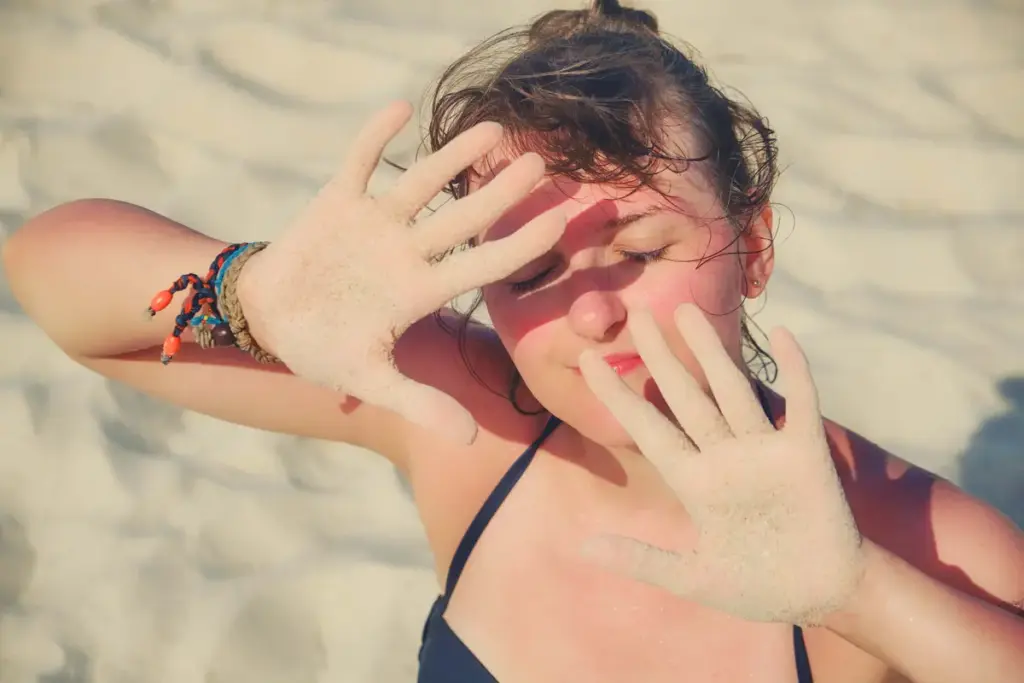
When the weather gets warmer, most people naturally spend more time outside. That usually means more walks, more driving with the windows up but sunlight coming through, more patio time, more sports, and more “just a few minutes” in the sun that quietly add up over the week. Your skin notices all of it.
At Belle Visage, we see this all the time. Patients want to protect their skin, avoid unnecessary irritation, and keep their routine manageable. The good news is that solid sun safety tips do not have to be complicated. A few consistent habits can make a real difference as temperatures rise.
What are the best sun safety tips as temperatures rise?
As temperatures rise, the best thing you can do is wear broad-spectrum sunscreen every day, reapply when you have been outside awhile, and back it up with simple habits like shade, sunglasses, and hats. It is a practical way to cut down on UV exposure, reduce irritation, and help prevent pigment from getting worse.
A lot of people treat sun protection like it only matters at the beach or pool, but that is usually not how real life works. Sun exposure adds up during normal routines. A quick store run, sitting by a bright window, driving across town, eating outside, or going to your child’s game can all add to your sun exposure for the day.
A few warm-weather risks are easy to miss:
That is where good SPF education helps. Sunscreen is not just for special occasions. It is part of protecting your skin during ordinary days, especially here in Burleson, TX.
A good routine should feel easy enough to keep up with. Put on a broad-spectrum sunscreen every morning, even if you will mostly be indoors. Apply it before you go out, and if you end up outside for awhile, reapply as needed.
A simple routine usually looks like this:
Most people do better when they build a routine they can actually follow instead of buying products they rarely use.
The first thing to look for is broad-spectrum protection. That means your sunscreen is designed to help protect against both UVA and UVB rays. SPF 30 is a solid daily minimum for many people, while longer outdoor activities may call for higher SPF and water-resistant formulas.
Texture matters too. If you hate how a sunscreen feels, you probably will not wear it consistently. That is why many patients prefer tinted or lightweight mineral options that they can use every day. Two favorite product recs that fit naturally into a daily routine are ALASTIN HydraTint Pro Mineral Broad Spectrum Sunscreen SPF 36 and Skinbetter sunbetter products.
Here is what many patients like about those options:
When you have sensitive skin, pigment concerns, or simply want something that sits well under makeup, finding the right sunscreen makes consistency much easier.
A lot of sun exposure comes from situations people barely register as “being in the sun.” Driving is a great example. So is walking the dog, running errands, sitting at an outdoor lunch, or going to weekend events. Pool days, sports, travel, and outdoor workouts bring even more exposure, especially when sweat and water come into play.
Some of the most overlooked moments include:
Small adjustments matter. Keep sunscreen with you, reapply when plans run long, and remember that water and pavement reflect UV. For melasma prevention, these daily habits matter because pigment can worsen from repeated low-level exposure, not just burns.
Sometimes the warning signs are obvious. Your skin looks red, feels hot, or turns tender. Other times, it shows up as tightness, dryness, irritation, or that uncomfortable overheated feeling after being outside too long. Even tanning should not be treated as harmless. It is still a sign that your skin has taken on UV damage.
Common signs include:
When your skin feels sun-stressed, keep things simple. Use gentle skincare, focus on hydration, avoid aggressive exfoliants, and give your skin a break from extra heat and irritation. This is not the time for scrubs, strong acids, or anything that leaves your skin feeling more reactive.
If your skin is already feeling stressed from heat and sun exposure, the focus changes. At that point, it is more about calming things down, protecting your skin barrier, and avoiding anything that makes it more irritated.
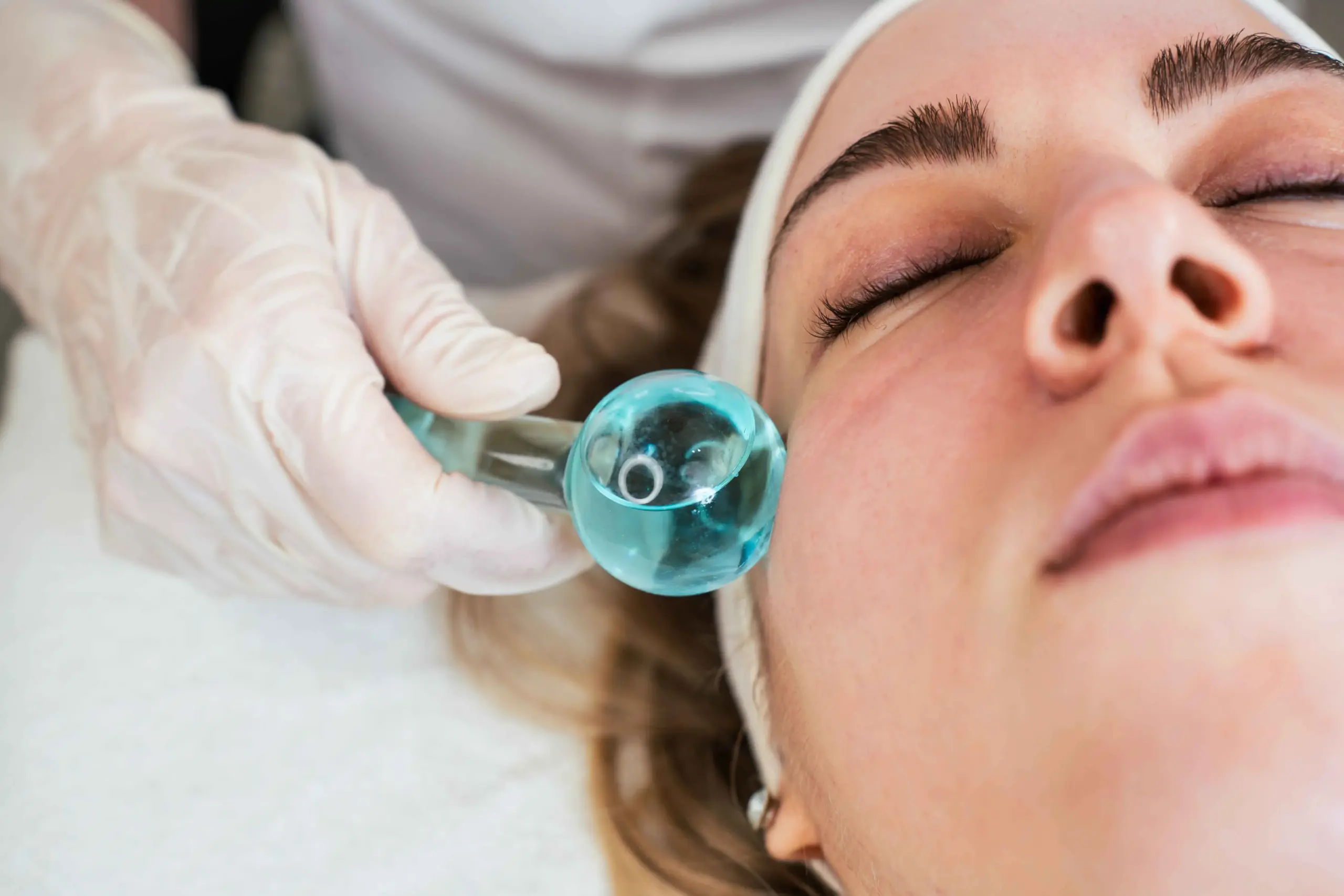
At Belle Visage, Glacial Skin fits naturally into this kind of support. It is a non-invasive treatment that uses advanced cooling technology with targeted skincare solutions to gently exfoliate, calm inflammation, support hydration, and improve clarity without using heat or aggressive resurfacing. We also offer:
Glacial Skin can make sense for patients whose skin feels dull, irritated, or stressed after heat and sun exposure. It is not a substitute for daily sun protection, but it can help support skin that needs to calm down.
If redness, sensitivity, discoloration, or worsening pigment is not improving, it may be time for professional guidance. This is especially true if you have reactive skin, melasma prevention concerns, or trouble tolerating sunscreen and skincare products.
Professional guidance can be helpful when:
Professional support can help you understand what is going on and choose a plan that fits your skin.
Protecting your skin as temperatures rise does not mean staying indoors or making your routine feel complicated. It means being more consistent with sunscreen, reapplication, shade, and the products you rely on every day. At Belle Visage, we are here to help you build a smart routine and explore treatments like Glacial Skin that support calmer, healthier-looking skin. Schedule a skincare consultation in Burleson, TX, today!
Your treatment will be performed by a licensed therapist. Schedule your appointment now!
With over five years of experience as an aesthetic injector, Cassidy is known for her meticulous approach to facial balancing and her passion for biostimulators and advanced skin health. Her treatments are rooted in a deep understanding of anatomy and an artistic eye, allowing her to create natural, harmonious results that age gracefully over time.
Cassidy is a certified ZO® Skin Health Expert and stays at the forefront of aesthetic medicine through continuous training and education. She is particularly passionate about skin quality and collagen stimulation, believing that true beauty starts with healthy, radiant skin.
Before transitioning into aesthetics, Cassidy spent over four years working in emergency and trauma medicine. This strong clinical foundation brings a calm, confident presence to her patient care and reinforces her commitment to safety and precision in every procedure.
Cassidy’s philosophy is simple: enhance, not change. She strives to empower her patients by helping them look and feel like the best version of themselves.
Meet Kirsti, the operational powerhouse behind the scenes at Belle Visage Medical Aesthetics. With many years of invaluable experience in the aesthetic industry, Kirsti is not just a manager – she’s a visionary leader with a profound passion for health, wellness, and enhancing lives.
Having navigated the intricacies of the aesthetic world for nearly a decade, she brings a wealth of expertise and a keen eye for detail to her role. As our Spa Operations Manager, she’s the orchestrator of efficiency, ensuring that every aspect of our clinic runs seamlessly, from scheduling appointments to optimizing workflows.
But Kirsti’s dedication extends far beyond the confines of the office. A true adventurer at heart, she finds joy outdoors – hiking in Arkansas, Colorado and Wyoming with her partner and two dogs – Banditt and Beckham. When she’s not exploring the great outdoors, she revels in the simple pleasures of life, whether it’s embarking on spontaneous road trips or spending quality time with her big family.
Driven by her unwavering commitment to wellness and her genuine love for her work, Kirsti infuses every aspect of her life with passion, purpose, and boundless enthusiasm. So, whether you’re a client seeking transformative treatments or a colleague in need of support, rest assured that she is here to guide you with grace, expertise, and a warm smile.
Introducing Erica Marin, the radiant force behind the rejuvenation journey at Belle Visage Medical Aesthetics. As our dedicated Medical Aesthetician and Certified Laser Technician, Erica infuses her passion for skincare into every client interaction.
Trained at the prestigious Professional Skin Care Academy in Waxahachie, Texas,, Erica is not just a skincare enthusiast – she’s a relentless seeker of knowledge. Believing that knowledge is power, she’s always on the lookout for the latest techniques and treatments to make sure her clients receive the best care possible.
For Erica, there’s nothing more fulfilling than seeing her clients leave feeling and looking their absolute best. With her warm demeanor and unwavering dedication, she’s dedicated to guiding you through your skincare journey, tailoring each experience to your unique needs.
Beyond the treatment room, Erica’s heart belongs to her furry companions as a proud dog mom. Fluent in Spanish, she ensures that language is never a barrier to achieving your skincare goals.
So, whether you’re seeking a rejuvenating facial or exploring the world of laser treatments, Erica is here to empower you to embrace your beauty and shine from the inside out.
Meet Kiana McKinzie, the financial maestro behind the scenes at Belle Visage Medical Aesthetics. With 14 years of accounting wizardry under her belt, Kiana seamlessly manages our accounts with finesse and precision.
Having been part of Dr. Beeson’s dynamic team for over eight years, Kiana is not just an accounts manager; she’s a cornerstone of our success story. Her journey began at Tarrant Community College, where she earned her Associate of Business Management with a Minor in Accounting, laying the foundation for her stellar career.
When she’s not balancing the books, Kiana’s world revolves around her loving husband of 4 years and their four wonderful children. But her passion extends beyond spreadsheets and ledgers – she finds solace and joy in the saddle, riding her majestic horses and cherishing moments with her family and friends.
In Kiana, you’ll find not only an astute financial mind but also a devoted family woman and avid equestrian. So, whether she’s crunching numbers or galloping through fields, Kiana brings her unique blend of expertise and warmth to everything she does, making Belle Visage Medical Aesthetics not just a business but a family.
Introducing Brooke, the creative force behind Belle Visage Medical Aesthetics, as our Brand Curator and Lead Patient Care Coordinator. Armed with a Bachelor of Science in Telecommunications Media Studies and a minor in Creative Studies from Texas A&M University, Brooke infuses her innovative spirit into every aspect of our practice.
When she’s not busy ensuring top-notch patient care, Brooke finds her bliss in the great outdoors. Whether she’s lounging lakeside or conquering Colorado’s trails, she thrives in nature’s embrace.
Having joined our team in September 2022, Brooke collaborates with our Operations Manager to steer our marketing endeavors. With her knack for storytelling and eye for design, she crafts experiences that captivate and inspire.
So, the next time you step into our clinic, know that Brooke’s passion and creativity are behind it all. Get ready to embark on a journey of beauty and authenticity!
Meet Rese, our gregarious Patient Care Coordinator and the heart and soul of Belle Visage Medical Aesthetics. With a Bachelor’s degree in Human Ecology and Leadership Studies from Kansas State University, Rese brings a unique blend of compassion and strategic thinking to our team.
When she’s not orchestrating seamless patient care experiences, Rese channels her boundless energy into volunteering for a local bulldog rescue, pounding the pavement as an avid runner, and crafting delightful charcuterie boards that are as visually stunning as they are delicious.
Having joined our family in 2022, Rese infuses every interaction with her genuine passion for the beauty industry. Her mission? To create a warm, welcoming atmosphere where clients feel like cherished guests from the moment they step through our doors. So, get ready to be greeted with a smile and a sprinkle of Rese’s contagious enthusiasm at your next visit – she can’t wait to make your day a little brighter.
Meet Nadia Reyes, the radiant soul behind the flawless skin transformations at Belle Visage Medical Aesthetics. As our esteemed Medical Aesthetician and Certified Laser Technician, Nadia brings not only her expertise but also her bilingual charm to our practice.
Trained at the esteemed Professional Skin Care Academy in Waxahachie, Texas, Nadia is on a mission to empower everyone to feel comfortable and confident in their own skin. Fluent in Spanish, she ensures that language is never a barrier to achieving your skincare goals.
For Nadia, skincare isn’t just a profession—it’s a passion. She believes that beautiful skin begins with exceptional care and is dedicated to guiding you every step of the way on your skincare journey. Her dedication extends beyond mere aesthetics; Nadia has a fervent passion for treating acne, striving to alleviate symptoms, boost confidence, and promote holistic well-being.
When she’s not pampering clients or perfecting her craft, Nadia finds solace in the company of her beloved cats and cherishes quality time with her family. With her nurturing touch and genuine warmth, Nadia is more than an aesthetician – she’s a trusted confidante on your path to radiant, glowing skin.
Meet Felicitas Lopez, the powerhouse of precision and passion at Belle Visage Medical Aesthetics. As an aesthetic registered nurse and cosmetic laser technician, Felicitas brings a wealth of expertise and a personal touch to every treatment.
Specializing in an array of advanced laser procedures, from skin rejuvenation and resurfacing to spider vein eradication and beyond, Felicitas is a true master of her craft. Her commitment to excellence is matched only by her dedication to patient care, ensuring each individual feels heard, understood, and empowered throughout their skincare journey.
Fluent in Spanish, Felicitas ensures that language is never a barrier to achieving radiant, healthy skin. Her warmth and compassion create a welcoming environment where patients feel valued and supported every step of the way.
Beyond the treatment room, Felicitas is driven by her unwavering passion for helping others look and feel their best. With her expertise and genuine care, she’s more than a nurse – she’s a trusted ally on your path to glowing, confident skin.
Meet Mikki Eclar, the visionary leader of beauty transformations at Belle Visage Medical Aesthetics. Mikki’s journey into skincare is as unique as her talent.
After earning her B.S. in Psychology, Mikki followed her passion and enrolled in the esteemed esthetics program at Hill College. Over the past 17 years, she’s cultivated her expertise, specializing in advanced chemical peels, hydrafacials, precise extractions, and the art of crafting bespoke facial treatments tailored to her clients’ needs.
Beyond her exceptional skill set, Mikki’s heart belongs to her family. Married for almost 20 years, she’s the proud mother of two beautiful young ladies, ages 13 and 17. When she’s not transforming skin or nurturing her family, Mikki finds joy in exploring the world alongside her loved ones, creating memories that span continents.
But Mikki’s talents don’t end with skincare – she’s also a passionate singer, lending her voice to her praise team at church. With each note she sings and every treatment she performs, Mikki infuses her work with a sense of harmony and grace.
So, whether you’re seeking radiant skin or a soulful melody, Mikki is here to guide you on a journey of beauty, inside and out.
Meet April Morris, a Cosmetic Injector and Laser Technician at Belle Visage Medical Aesthetics. Bringing over 15 years of healthcare expertise to Belle Visage Medical Aesthetics. As a pioneer in innovative healthcare solutions, April seamlessly integrates cutting-edge practices into our clinic to cater to the diverse needs of our clients.
Outside of Belle Visage Medical Aesthetics, April is the dynamic force behind Momentum Health and Wellness, a private concierge primary care service that makes healthcare easily accessible for everyone, providing services directly where you are, whether it is at home or work.
But April’s talents extend beyond traditional healthcare – she’s also a master of aesthetic injections, with a particular fondness for Dysport and Biostimulators. With her skilled touch and keen eye for beauty, April helps clients accentuate their natural features, boosting their confidence and helping them feel their best selves.
When she’s not revolutionizing healthcare, April finds joy in exploring the world around her. Whether it’s hiking through nature’s wonders or sampling the latest culinary delights, she approaches life with boundless curiosity and enthusiasm.
In April, you’ll find not just a healthcare provider, but a compassionate partner dedicated to enhancing your well-being inside and out.
Meet Dr. Beeson, not just a local board-certified physician but a beacon of compassionate care and expertise with almost 30 years of patient-centered experience. Graduating with distinction from Loma Linda University School of Medicine in 1995 and completing her residency at the esteemed University of Texas–Houston Health Science Center, Dr. Beeson’s roots run deep in the community where she was raised.
At Belle Visage Medical Aesthetics, Dr. Beeson’s vast medical knowledge is not just an asset – it’s the cornerstone of our commitment to excellence. With her unparalleled expertise, she demystifies every aesthetic procedure, empowering clients with comprehensive education delivered in a way that’s both informative and accessible.
But it’s not just her professional credentials that set Dr. Beeson apart—it’s her unwavering passion for delivering the best to the Belle Visage Medical Aesthetics community. From cutting-edge products to innovative procedures, she leaves no stone unturned in her quest to enhance beauty and boost confidence.
Dr. Beeson’s holistic approach to aesthetics, coupled with her meticulous attention to detail, elevates her expertise in facial rebalancing to an art form. For those of us who appreciate the finer aspects of beauty and harbor a curiosity for the transformative power of regenerative medicine, Dr. Beeson stands out as a beacon of innovation. With her keen eye for symmetry and dedication to harnessing the body’s natural rejuvenation processes, she not only enhances our external radiance but also unlocks the potential for holistic regeneration from within. With Dr. Beeson, it’s not just about sculpting beauty; it’s about nurturing it at its core, fostering a timeless allure that transcends mere aesthetics.
Yet, amidst her busy schedule, Dr. Beeson never loses sight of what truly matters – the comfort and well-being of her clients. Her impeccable bedside manner creates a nurturing environment where every person feels valued, understood, and supported throughout their journey to radiant self-confidence.
So, whether you’re seeking expert guidance or a compassionate touch, Dr. Beeson is here to ensure you not only look your best but feel your best, inside and out. Welcome to a world where beauty meets empathy, where expertise meets compassion – welcome to Belle Visage Medical
Aesthetics.